
Articles · Strategy
Street interviews for B2B brands: why the format works beyond consumer products
By the Street Interviews team · 14 September 2026 · 4 min read
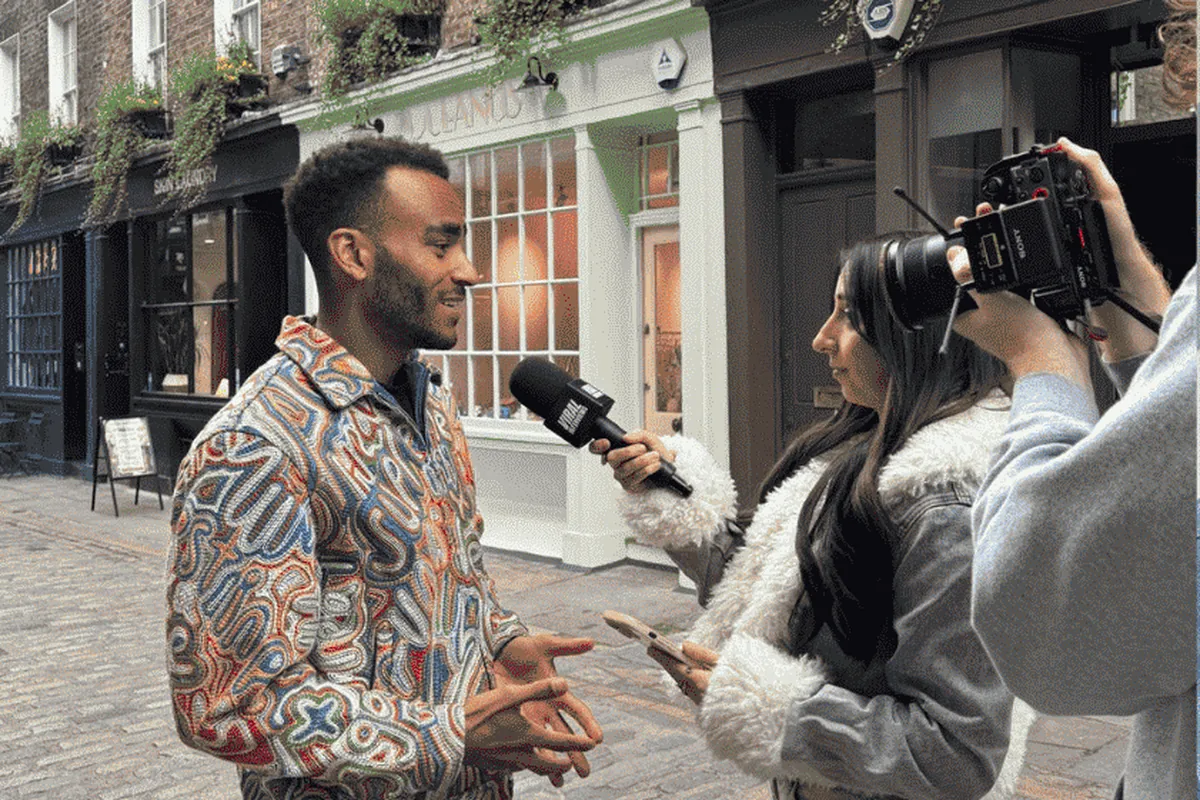
There is a persistent idea in business marketing that street interviews belong to energy drinks and trainers. The thinking goes that nobody on a high street wants to talk about invoicing, compliance or remote hiring. In practice, they talk about the problems behind those things all the time. They just don't use the industry's vocabulary.
B2B buyers are still people. They commute, they scroll and they have opinions about their jobs. The same person who signs off a software contract on Tuesday spent Monday evening watching strangers answer questions on their phone. A brand that meets them there, on their own terms, is competing with entertainment rather than with other suppliers' white papers.
That is the opportunity. The challenge is translating a product that lives in spreadsheets into a question that works on a pavement.
Start with the problem, not the product
Nobody stops for a question about payroll software. Almost everybody stops for a question about getting paid. The most effective business-to-business street interviews start one step back from the product, at the frustration or ambition it addresses, and let the public describe it in their own words.
Ask how many people have ever been paid late, whether they would take a job abroad if they could keep their salary, or what they would change about their working week. The answers are instantly relatable to any viewer with a job, and the brand earns the right to appear at the end as the obvious solution.
Proof that it scales
Our work with Deel, the global HR and payroll platform, is a useful example. Their audience is founders, finance leads and people teams, hardly the typical vox pop crowd. But the subject underneath, how and where people work, is something everybody has a view on. Questions about salaries, remote work and dream jobs abroad produced the kind of candid answers that business audiences recognise from their own lives, and the campaign went on to pass 40 million views.
The lesson is not that every B2B brand will see numbers like that. It is that a business audience is reachable through human stories, and that reach compounds when the format is repeated rather than tried once.
Questions that work for business brands
- Money and work: salaries, side hustles, the worst boss, the best perk.
- The future of work: remote, hybrid, four-day weeks, AI at the office.
- Small business life: what owners wish they had known before starting.
- Knowledge tests: industry terms that sound simple until someone has to explain them.
- Would you rather: two working-life choices, one of which sits in your category.
Keep the expert in reserve
Business brands are often tempted to put their own people in front of the camera from the start. It can work, but it usually works better second. Let the public set up the problem and the debate, then bring in a founder or specialist to answer the questions people actually asked. The expertise lands harder when the audience has already been primed to want it.
Measure it like a brand campaign
A street interview series is rarely going to close a six-figure contract on its own, and it shouldn't be judged as if it might. It does something a gated report can't: it builds familiarity with a brand name among the people who will one day be on a shortlist. Track reach, completion and saves, watch the comments for language your sales team can borrow, and look for lifts in branded search over the weeks that follow.
The short version
B2B is a buying process, not a personality type. Find the human question behind your product, let ordinary people answer it, and save the sales message for the moment the audience is ready to hear it.
Working on a campaign?
Make your brand the conversation.
Tell us what you're planning and we'll come back with ideas, formats and a quote.
Plan my campaign