Blog · Guides
Vox pops vs influencer marketing: which gets better results?
By the Street Interviews team · 21 November 2026 · 5 min read
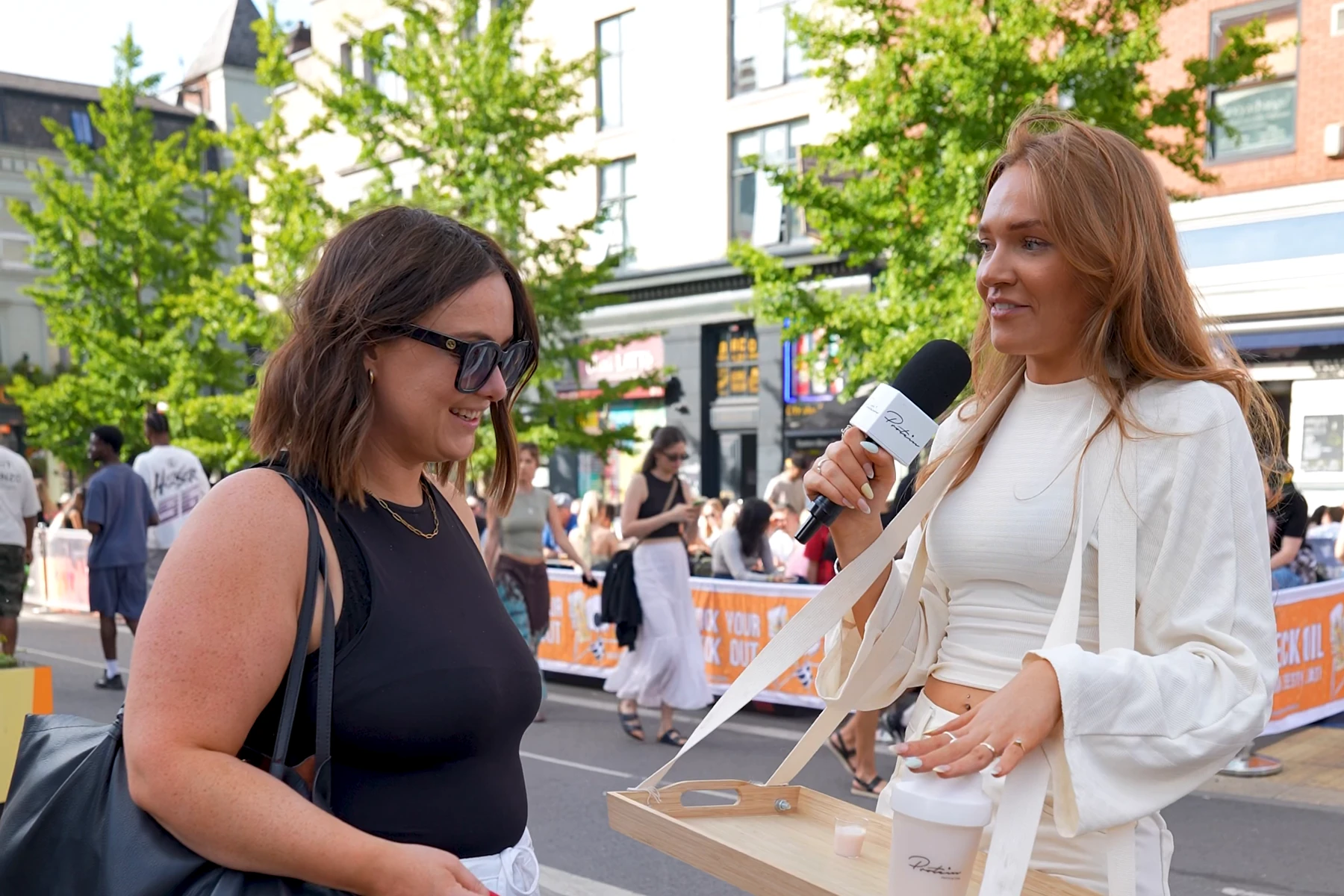
Vox pops usually win when a brand needs attention, believability and a long run of content it owns. Influencer marketing usually wins when a brand needs a specific community to trust it quickly. The strongest results often come from combining the two: a vox pop format, posted where an audience already watches, sometimes with a familiar face asking the questions.
Ask a room of marketers whether to spend the next social budget on vox pops or on influencers and the room tends to split along the lines of whatever worked for them last time. Both formats put a real person in a vertical frame, talking to a phone. They earn attention in very different ways, though, and they suit different jobs. This piece compares the two on the things that decide results: reach, trust, control, cost and what you keep afterwards. It comes from Street Interviews, which is based in Manchester and London and runs its own channels with 2.5M+ followers and 10B+ views.
What is the difference between a vox pop and influencer marketing?
A vox pop puts a question to members of the public and films whatever they say. The people on camera are strangers, and the appeal lies in not knowing what comes next. Influencer marketing pays a creator to make content, usually posted to their own followers. The brand is buying that creator's voice and the trust their audience places in them. For a wider view that also covers UGC, see our guide to street interviews, UGC and influencers.
Vox pop vs influencer: which gets more reach?
An influencer post starts with a guaranteed audience: the creator's followers. That makes early reach more predictable, but it also sets a ceiling, because the video mostly travels within one community. A vox pop starts with no built-in audience unless it goes out on a channel that has one. What it has instead is a format people already choose to watch, which gives it a strong chance of being pushed beyond its first viewers. Campaigns we have made show how far that can go. A geography quiz with Sir Mo Farah for the Great Run reached over 47 million views, and a 14-video series for Deel passed 40M+.
Which feels more believable to viewers?
Audiences have learned to spot a paid endorsement, and in the UK influencer adverts must be labelled as ads. That does not stop them working, because followers often trust the creator anyway, but viewers watch with that context in mind. A vox pop draws its credibility from a different place. The people answering have no stake in the brand, and viewers can see that the reactions were not written for them. That is why blind taste tests and honest opinions are such a common vox pop format. They let the product be judged by someone with nothing to gain.
Which gives a brand more control?
Neither format offers total control, and that is part of why both work. With an influencer, the brand agrees a brief, but the creator chooses the tone, the delivery and often the final cut, because their audience expects it to sound like them. With a vox pop, the brand shapes the questions, the location and the edit, but cannot script the answers. In practice that means more control over the finished film and less over what any one person says. A clear brief helps on both counts. Our guide on how to brief a street interview campaign explains what to agree before filming.
Which is better value for paid social?
This is where vox pops tend to pull ahead. One day of filming produces dozens of answers, and each strong answer can become its own advert with its own hook. Protein.com used exactly this approach for its SLIM meal replacement, with blind taste tests and questions about lunch habits cut into a set of ad-ready films for paid social from day one. The Protein.com case study shows the format. With influencers, the right to run a creator's content as paid ads usually has to be negotiated separately, and often for a limited period. For a guide to budgets, see how much a street interview costs.
What do you keep after the campaign?
An influencer post lives on the creator's account, and its value fades as their feed moves on. Vox pop footage is licensed to the brand on agreed terms, so it can be recut for new adverts, used on product pages or posted on the brand's own channels. Hygge took that route with 40 white-label videos for its own account, which reached 31.8 million views and 1,860,497 engagements.
Can you combine vox pops and influencers?
Yes, and some of the best results come from doing so. A familiar face can ask the questions while the public supply the reactions. Netflix did this with three Heartstopper quiz videos starring Joe Locke for Netflix Queue, which reached 5,059,400 views. Distribution can also be borrowed. A vox pop posted as a collab on a channel with its own following gets the guaranteed audience of an influencer post and keeps the honesty of a street format. A Fireball x Salford City FC matchday vox pop on PlaysUP passed 880,000 views on Instagram that way. Our brand content page explains how we plan a series like this.
The short version
Choose influencer marketing when you need a particular community to trust you through a voice it already follows. Choose vox pops when you need attention, believable reactions and a library of footage you can turn into ads and keep using. If the budget allows, combine them: a vox pop format, a well-chosen face and a channel with an audience behind it.
Frequently asked questions
Are vox pops better than influencer marketing?
Not always. Vox pops tend to do better for reach, believability and paid social, while influencers do better when a brand needs one community's trust. Many strong campaigns use both.
Do vox pops need to be labelled as ads?
Yes, when a brand has paid for them and they are posted as promotion. UK advertising rules apply to vox pops in the same way as they apply to influencer posts, so paid content should be clearly marked.
Can a vox pop be used as a paid social ad?
Yes. Vox pop footage is usually licensed to the brand, so individual answers can be cut into separate adverts and tested against each other. Protein.com's SLIM campaign was built this way, as a set of ad-ready cuts for paid social.
Can an influencer host a vox pop?
Yes. A known host asking the public questions combines the pull of a familiar face with the honesty of real reactions, as in the Heartstopper quiz videos with Joe Locke for Netflix.
Working on a campaign?
Make your brand the conversation.
Tell us what you're planning and we'll come back with ideas, formats and a quote.
Plan my campaign